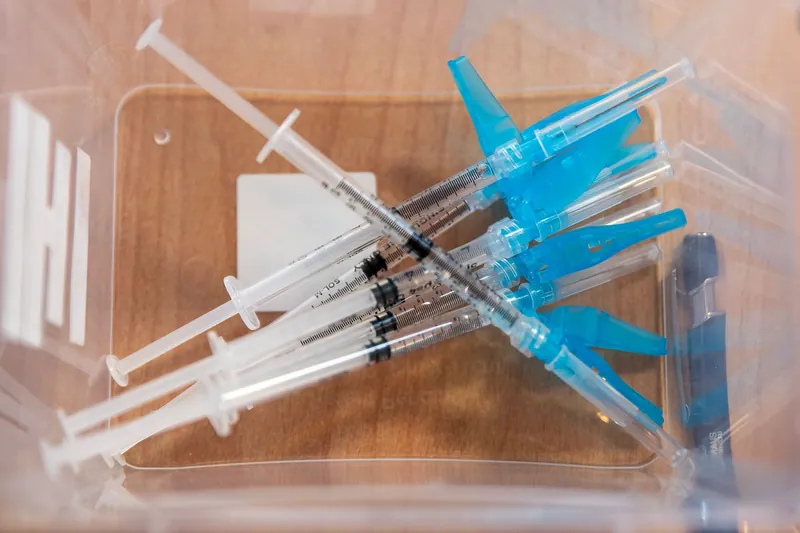
Needle and Sharps Cleanup
Cleanup removes sharps and needles from parks, rental sites, yards and encampments.
See needle and sharps cleanupGet needles, pipes, baggies and unknown residue removed from a home, rental, workplace, vehicle or outdoor area in Purcell. Keep people and pets away, and do not touch sharps or powder.
Drug paraphernalia cleanup is the careful collection of needles, syringes, pipes, foil, baggies and other drug debris, followed by cleaning of residue and any related biological contamination in the affected area.
You may need this service at a house, rental property, apartment, hotel, job site, vehicle or exterior area. The search starts with visible debris and continues through drawers, nearby openings, furniture, bedding, air vents and flooring edges where sharps can be concealed. Technicians immediately secure each needle in a rigid sharps container. They package other hazardous materials according to condition and relevant waste requirements.
This service can fit loose paraphernalia and small areas of surface residue, but it does not cover meth lab cleanup. Chemical smells, marked containers, unfamiliar glassware, cylinders under pressure or other production evidence change the required response. Do not go inside or touch anything when a drug lab may be present. Before cleaning begins, follow all directions given by law enforcement or your local fire department.
Available waste paperwork, images and the stated scope explain the work clearly to property owners, managers, insurance companies and others responsible.
When conditions make it possible, belongings that can remain are set apart from contaminated materials after a careful check for concealed sharp objects.
Unmarked vehicles help crews reduce attention near your rental, home, workplace or business as they clear the affected areas.
You can choose how to move forward after hearing what needs searching or removal, what may be cleaned and which factors shape the cost.
Drug paraphernalia removal is needed when discarded items or residue could expose anyone entering, cleaning or repairing the property. Common situations include:
Before staff safely ready a guest room for another use, a careful search, hidden-sharps removal and cleaning may be needed.
A room-by-room sweep can locate items under furniture, inside drawers, along baseboards and in other surrounding areas before repairs begin.
Restrooms, storage rooms, break areas and grounds can contain sharp objects or residue that should not be left for regular staff to collect.
A family may need help clearing the affected area after finding sharps, powder or smoking materials in a bedroom, garage, bathroom or vehicle.
Your priority is stopping all contact. Keep everything where you found it, except when an immediate hazard makes moving it unavoidable. Take the following steps next:
Call (888) 440-9227Credible public cost material does not state a drug paraphernalia cleanup range. For context, published general biohazard cleanup guides put the typical national figure between $3,000 and $5,000 and the residential average between $1,800 and $4,500 for homes. Those guides place many residential projects in a range running from $2,500 through $8,000 according to scope, and their total published span runs from $1,500 through $25,000 overall. Actual pricing requires an assessment because a small needle pickup and residue cleanup across multiple rooms have very different scopes.
These national ranges are taken from published cost guides, rather than a property visit. After an on-site assessment, the price for your property is determined and shared with you before cleanup begins.
Ask about cost: (888) 440-9227Coverage depends on the policy, the cause of the contamination and who is responsible for the property. Ask the insurance company about biohazard cleanup before assuming the work is covered.
A manager or property owner often organizes cleaning of a common area or rental, then determines a tenant's responsibility from the lease and local requirements.
How contamination occurred may change the way a renters or homeowners policy applies. Describe the affected area when reporting the condition, then ask which records you need to submit.
Your file should include safe-distance images, the cleanup scope, disposal paperwork and invoices. The records can show the discovered conditions and the cleaning that took place.
Homeowners or renters insurance is usually the first place to ask about cleanup costs. After a death the estate often pays, and in a rental the owner usually arranges the cleanup. Do not rely on repayment until the program confirms that both the cleanup charge and specific event qualify.
First the area is controlled. A careful search and removal come next, followed by cleaning the surfaces and completing a final inspection. Findings at the property determine how each stage proceeds.
Cleanup technicians examine the affected areas, noting porous materials, visible needles, suspected residue and places that need close inspection.
Entry is restricted while protective gear is chosen for unknown residue, puncture risks and associated biological contamination.
Using appropriate tools, workers pick up exposed needles without recapping or bending them and put them straight into a puncture-resistant sharps container.
A systematic search covers each room and surrounding areas, with attention to vents, bedding, furniture, drawers, floor edges and similar hiding spots.
Workers match hard-surface cleaning to the residue and keep an EPA-registered disinfectant wet for the label contact time when biological contamination exists.
Porous materials that cannot be cleaned completely are recorded and isolated in packaging that limits movement of residue or sharps during removal.
Appropriate containers hold sharps and other hazardous waste before the materials follow a disposal path allowed by relevant rules.
After cleaning, workers inspect treated surfaces and check the area once more for missed items before creating owner records or photos.
You can call anytime. You speak with a drug paraphernalia cleanup specialist who outlines the process and schedules a start time with you.
Used needles, contaminated objects, shattered glass and residue you cannot identify may create serious health risks. An unseen item or material with unknown contents adds to the danger.
Loose sharps and contaminated waste do not belong in an ordinary bag or recycling bin. Packaging, transport and waste disposal depend on the material and the rules that apply in the state.
You may encounter concealed needles among belongings or within bags, boxes, bedding, drains, clothing and upholstery. You risk injury when reaching anywhere whose bottom is not visible.
A powder or film cannot be identified by sight or smell. Touching it, brushing it aside or using a household vacuum can create avoidable exposure and spread residue beyond the original spot.
Can you clean it yourself? Do not treat an unknown powder like ordinary dust. Keep others back from a single discarded needle, then follow community sharps disposal guidance from your local public health authority. The chance of wider contamination or a sharp puncture decreases with professional cleanup if residue, multiple items, bodily fluids or hidden sharps are found.
The work removes any items that allow safe collection and treats cleanable hard surfaces. Whether porous material can stay depends on residue, sharp-object hazards and its ability to be cleaned completely.
The OSHA Bloodborne Pathogens Standard, 29 CFR 1910.1030, sets requirements for training, protective equipment and exposure control when workers can contact blood.
An EPA-registered disinfectant appropriate to the target organism should remain visibly wet for its complete label contact time when biological material is involved.
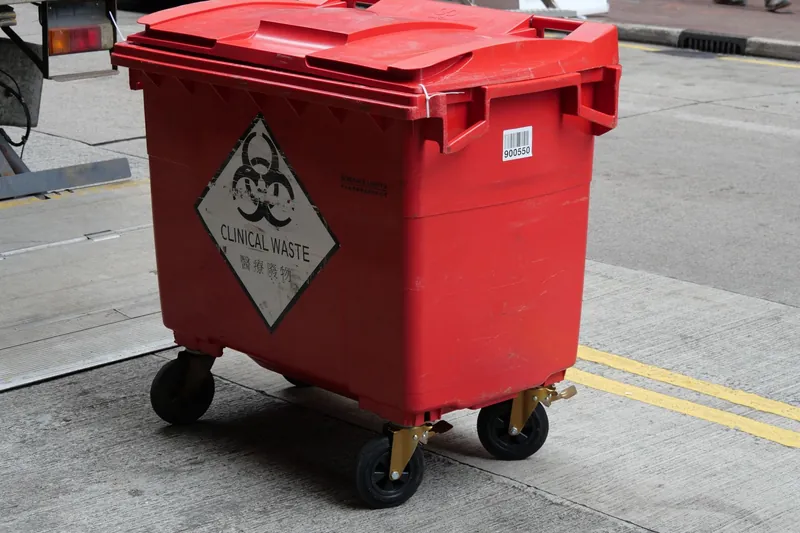
Oklahoma treats soaked materials from a biohazard scene as regulated medical waste. Rules from the Department of Environmental Quality's Land Protection Division control how it is processed and treated, so it cannot go in household trash. The disposal route can differ for sharps, unknown chemicals and ordinary debris, so each type should be identified before transport.
Local health and building rules can affect how a contaminated room is cleaned and when it can be used again, so mention any notice you have received from the city or county. When you suspect ongoing drug production or believe an item could be evidence, wait for authorization to clean before moving anything.
The time depends on how much material is present, how widely it is scattered and whether residue or hidden sharps require detailed cleaning. A visible group of items takes less time than a full property search with porous material removal.
The full drug paraphernalia cleanup guide covers what is cleaned or removed, odor and air quality work, and the rules that apply in Oklahoma and McClain County.
Read the full drug paraphernalia cleanup guideLocal population patterns, housing and site access may affect how containment and cleanup are planned.
The local mix includes 43.0% renter occupied homes, making it useful to establish who controls repairs before cleanup begins.
The 1983 median year matters during odor work because cabinets, wall cavities, and floor layers can hold the source.
The local count of seniors living alone is 517, so a cleanup plan may need input from someone managing the home remotely.
Because 77.9% of local housing is single-family, owners often can make direct decisions about removing affected structural materials.
You can ask about cleanup in nearby communities and ZIP codes during the call.
Cleanup removes sharps and needles from parks, rental sites, yards and encampments.
See needle and sharps cleanup
After fentanyl exposure, decontamination addresses rooms, vehicles and other surfaces.
See fentanyl decontamination
Cleanup of a meth lab covers residue testing and decontamination before the clearance process.
See meth lab cleanup
Rooms, surfaces and air receive complete decontamination following infectious or hazardous exposure.
See biohazard decontamination
Biohazard waste pickup and disposal in sealed, labeled containers.
See biohazard waste disposal
Medical waste removal includes disposal through facilities approved for treatment.
See medical waste removal
Rental property biohazard cleanup covers hotels and Airbnb units as well as rentals.
See hotel, airbnb and rental biohazard cleanup
Waste, filth and bodily fluids are cleaned following evictions and tenant departures.
See eviction and tenant move-out biohazard cleanupThe method depends on what the residue may be and which surfaces are affected. Access is controlled first. Loose hazardous material is collected without dry sweeping, cleanable hard surfaces are treated with suitable products and contaminated porous material may be removed. Touching, smelling and using an ordinary vacuum are unsafe ways to test uncertain powder.
Make sure other people, children and animals stay back. Avoid all contact, including trying to bend, break or recap the sharp. A bag should not contain an unsecured needle. A single community sharp may follow local health guidance, while several needles, hidden materials, residue, bodily fluids or a large space call for professional cleanup.
You will not find a reliable public resource with service-specific price ranges for this work. A small sharps collection may cost differently, so general biohazard cleanup figures serve only as context. Before a price can be determined, the property needs evaluation for debris quantity, residue, surface types, search scope and waste disposal requirements.
A careful search looks through debris and checks seams, bedding, carpet, vents, drawers and floor borders that can conceal needles. A search does not assure you that workers will find each small object. Good lighting, suitable tools, puncture precautions and a second inspection reduce the chance that dangerous items are left behind.
No. Cleanup of paraphernalia addresses abandoned objects, needles and residue in limited areas. When a meth lab is suspected, chemical contamination, reactive materials and fumes may affect the whole structure. Leave the building and seek guidance from law enforcement or the fire department if you notice production signs, pressurized cylinders, stained tools or unusual chemical containers.
A search throughout individual rooms requires more time than removal of an isolated set of items in plain view. More work is needed when carpet or furnishings are contaminated and debris, uncertain residue or hidden sharps are present. An inspection of the affected areas allows cleaners to discuss the expected schedule and whether removal will require more than one work period.
Respectful, discreet drug paraphernalia cleanup is available 24 hours a day, and crews arrive in unmarked vehicles.